

Walking in the rain
Grab your gaiters, your galoshes or your gum boots, it's gonna get muddy
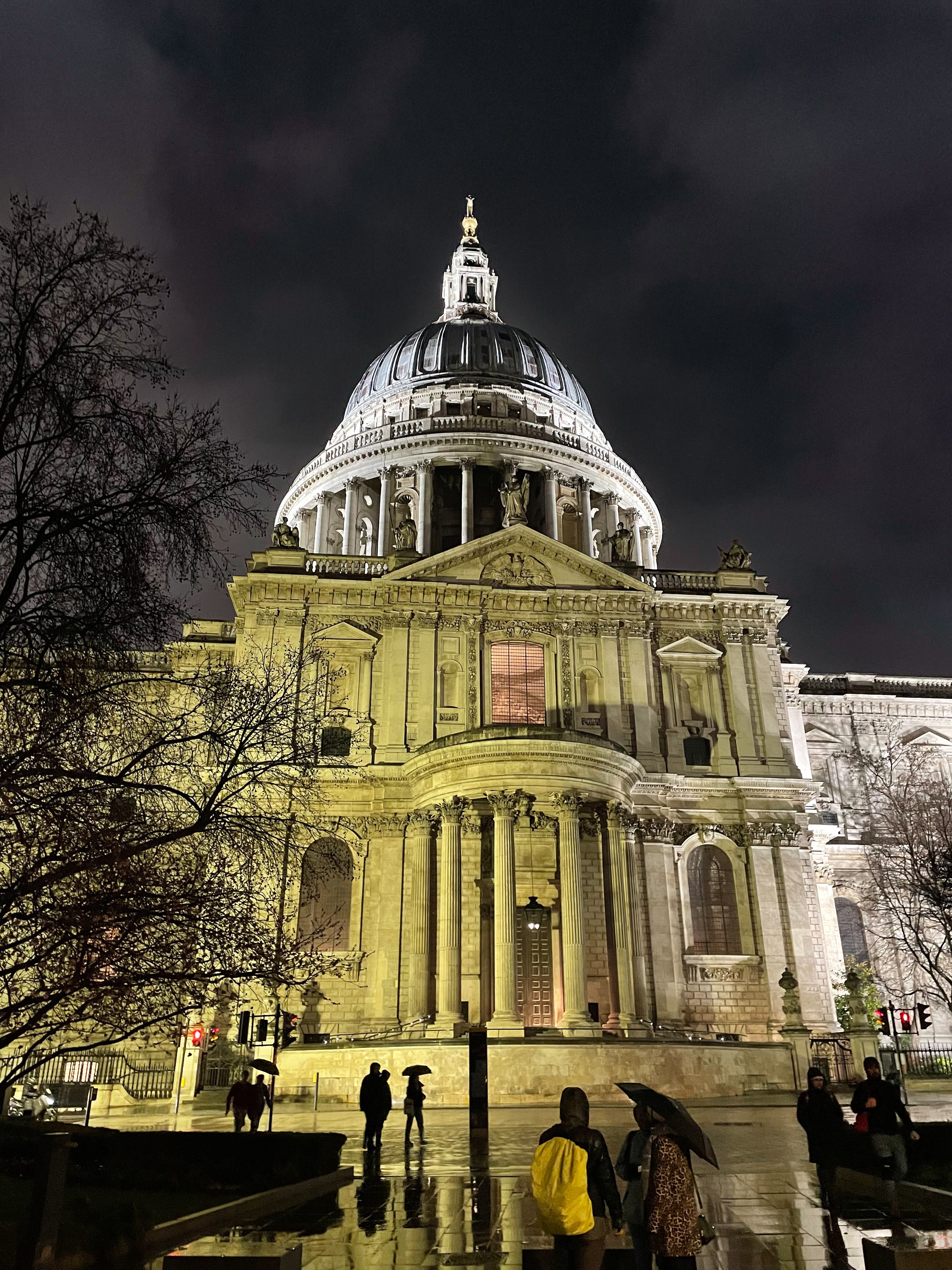
Hello walkers and writers and welcome to June, the month of – checks notes – thunderstorms and torrential rain interspersed with occasional pockets of sunshine.
I don’t know about you, but I have no idea what to do with the weather we’re seeing in the UK right now. It’s like a tropical rainstorm without the 30-degree Celsius price tag. If it wasn’t for the fact that I walk in all weathers, I’d never get out of the house at the moment. So whether the sight of grey skies sends you ducking for cover or if you’re a pluviophile and find joy and calm in a rainstorm, this edition has you covered.
Walking
A drizzly day might seem like a good excuse to stay inside and read a book, but walking in the rain has some surprising benefits for the air, our senses and our wellbeing.
Have you ever noticed that the air feels fresher when it rains? That’s because rain can help to clear the air of pollutants. Researchers at MIT studied how raindrops can attract particles like soot and other pollutants, helping to sweep them out of the atmosphere – a natural phenomenon called coagulation1. They carried out controlled experiments in a lab to calculate the ability of a droplet to attract particles from the air, depending on its size and the rate it fell. And they found that the smaller the droplet, the more likely it was to attract a particle. They’re hoping that their findings can help address issues such as air quality and human health, as well as the effect of clouds on climate. So maybe a drizzly day isn’t as bad as we thought.
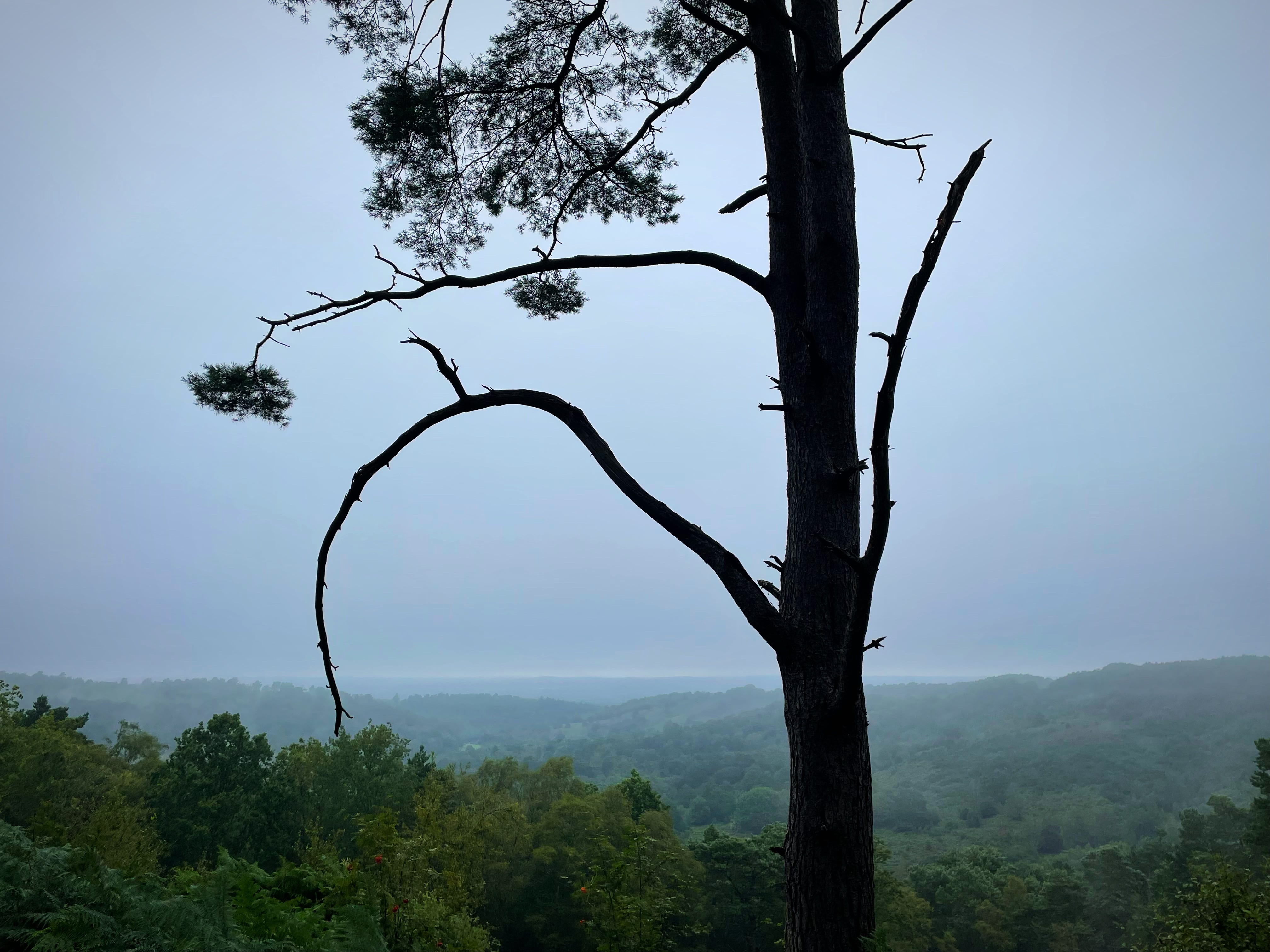
And have you noticed an earthy smell when it rains? It’s called petrichor – named by Isabel Bear and RG Thomas, 2 researchers who published an article about it in Nature journal in 19642. Petrichor is a combination of fragrant chemical compounds. Some come from oils made by plants, and some from bacteria that help to decompose dead and decaying matter into nutrients for plants and other organisms. The smell is a byproduct of this activity and is caused by a molecule called geosmin3.
The petrichor scent is released when rain falls on dry, dusty ground. The raindrops trap tiny air bubbles on the ground which then shoot upwards – a bit like the bubbles in a glass of champagne4.
Bear and Thomas discovered that what they called petrichor was being captured and sold as a scent called "matti ka attar" in Uttar Pradesh, India. And geosmin is also a common perfume ingredient.
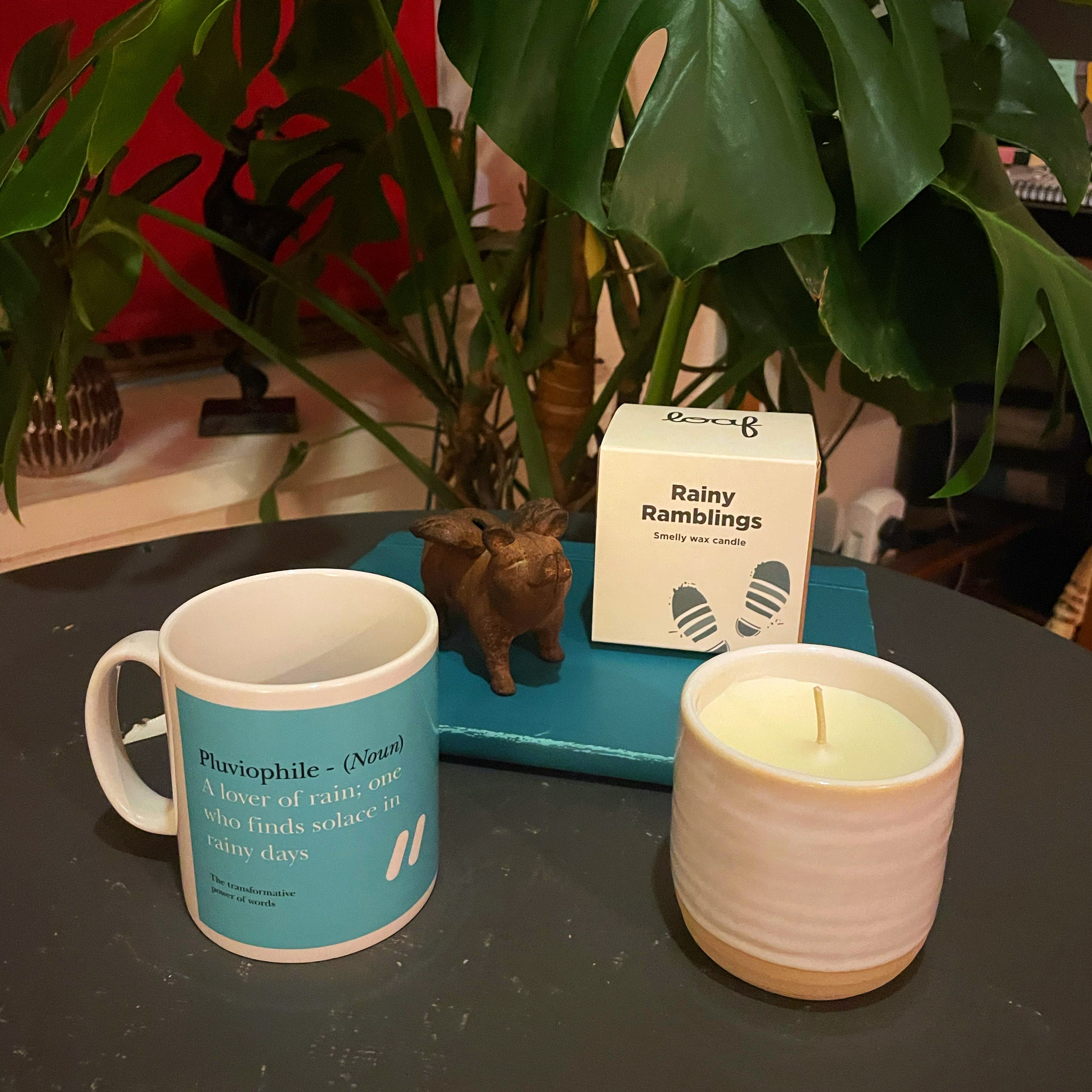
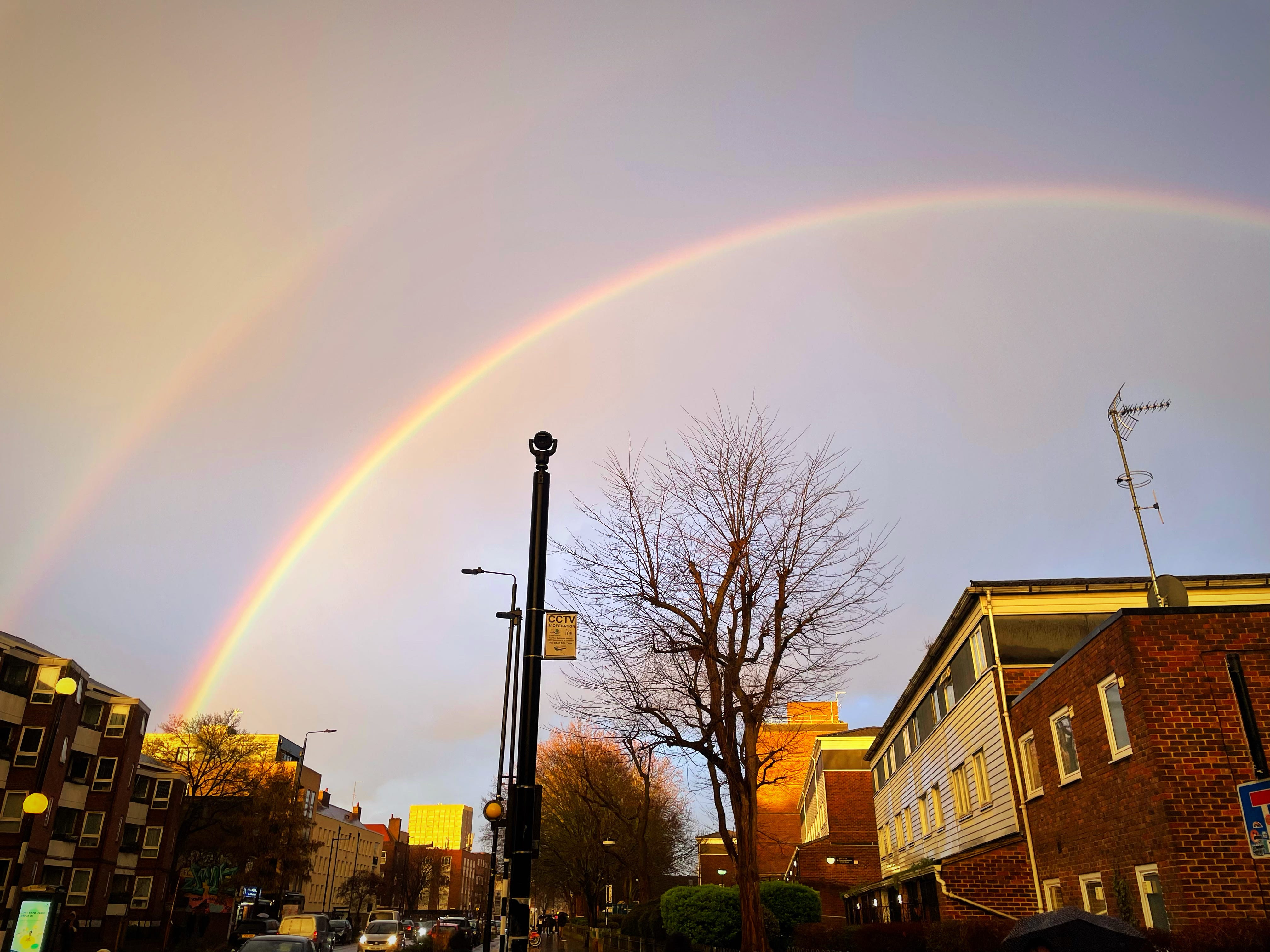
But as well as its potential cleansing benefits on the environment and the smell of petrichor, rain enables us to touch the weather in a way that a dry day might not. The feel of raindrops on our skin, the sound of rain landing on trees, the ground or on us, the smells that are released from plants, trees and soil, and the possibility of seeing a rainbow. A rain walk is a treat for the senses.
But the thing I enjoy most about walking in the rain is its effect on my sense of hearing, and how it can quieten a busy city like London, or add a new quality to the sounds in a forest.
Sound has a different texture in the rain. Cities become muffled, car tires hush across tarmac, gutters gurgle and transform into rivulets. The sound of rain falling against an umbrella is different from the sound of rain falling on a hat or a hood. Hard surfaces like car roofs, bus shelters, rubbish bins and windows transform into drums as the rain plays out different beats and rhythms.
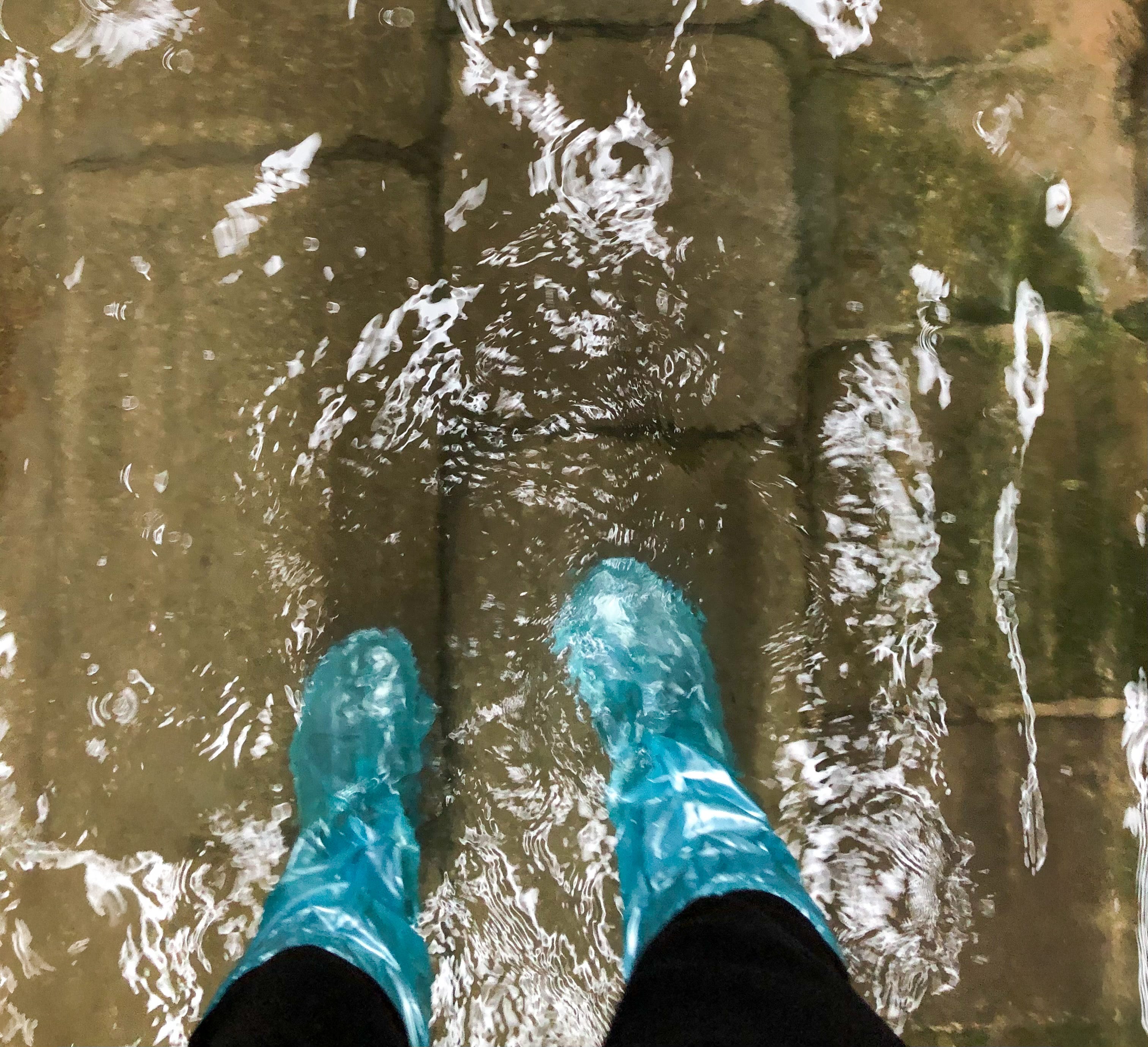
So for your walk this time, I invite you to pull on your waterproofs and take a sensory walk in the rain. Watch how young children make the most of it, splashing and jumping through puddles and generally having fun. Is there a rule that says adults can’t play in puddles? Not as far as I know – and isn’t that exactly what wellies were invented for?
You can also try walking slowly and listening to your footsteps on the ground, the splash of raindrops on your coat or umbrella, and the feel of them against your skin. Take a few moments to breathe deeply to get the most of the cleaner air and to enjoy the smell of petrichor.
Here are some tips for walking in the rain:
Check the weather forecast and plan your walk – you might start your walk in the rain but find yourself covered in sunshine by the end of it – or vice versa.
Check your route before you set off – if it’s a familiar walk you might know the places that tend to flood. But if you’ve never walked it before it’s good to get advice from people who know the route well, walk with someone who knows it, or check the map for areas that look like they might flood in heavy rain, or become too risky to walk near in bad weather, like rivers, streams, marshlands and coastal paths.
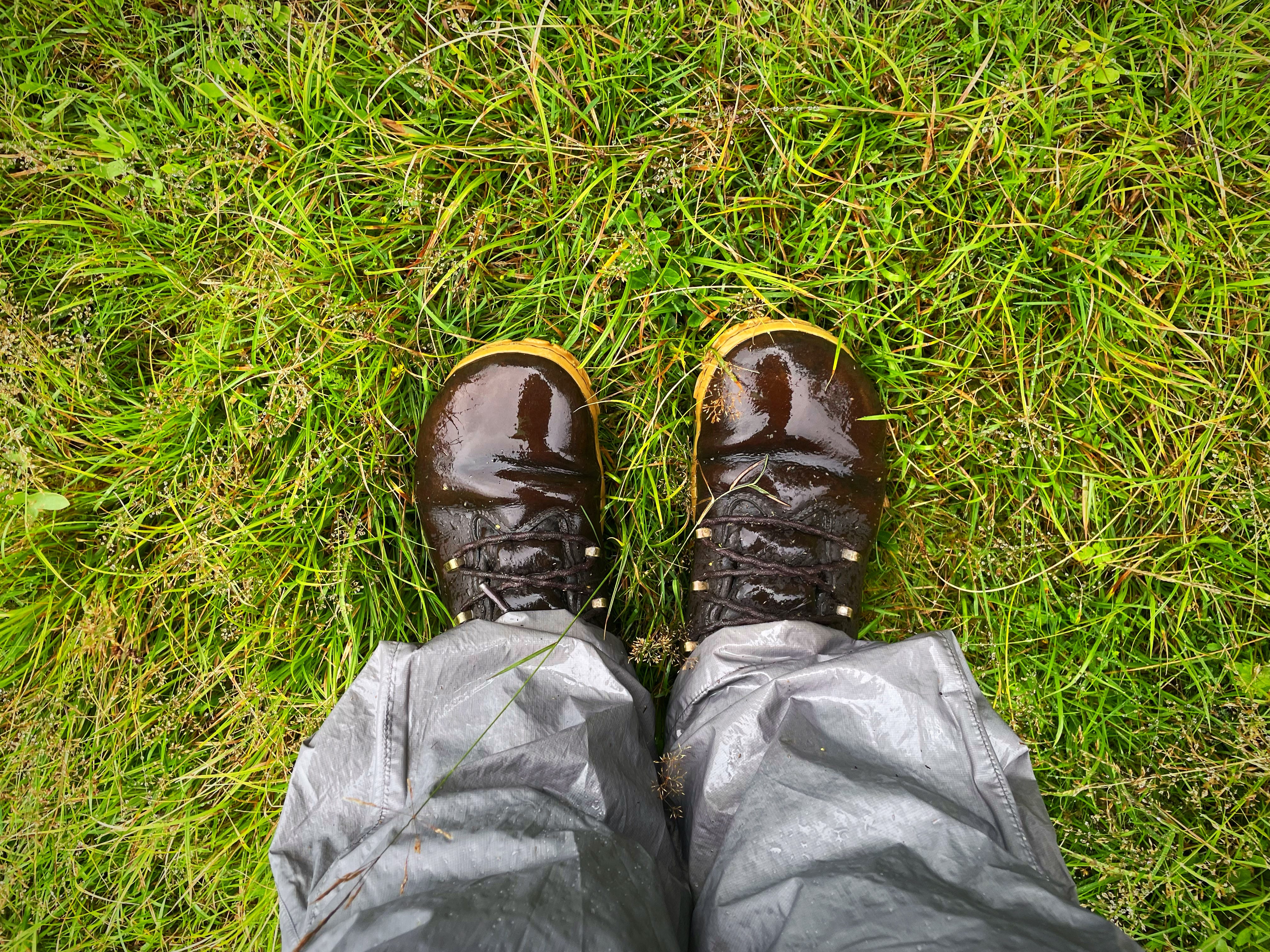
Make sure you have the right clothes – waterproof walking boots or wellies, a waterproof jacket and trousers, and a hat, gloves, scarf and warm layers if it’s cold.
Carry a spare pair of socks – it’s miserable walking with wet feet so if your boots let in the rain, having a fresh pair of dry socks might save the day.
Carry a torch or headlight – even a fairly bright day can turn dark when a storm begins to brew.
Keep your sunglasses handy too – the weather can change and you never know if or when the sun might make an appearance. You gotta be ready for those rainbows.
Carry a couple of bags to put your wet gear into if the rain stops and you take your waterproofs off – it’ll help keep the rest of your stuff dry.
Be prepared to find another route if the path is flooded or turn back if there’s no safe way to get around it – you can always go back on a drier day.
Have fun – as far as I can tell, there’s no rule that says adults can’t jump in puddles or splosh in the mud, so unleash your inner child and go play!
Writing
Your prompt this time is inspired by the Bulwer-Lytton Fiction Contest, which ran for 42 years and challenged people to write an atrocious opening sentence to the worst novel never written.
The contest was inspired by, and honoured, Sir Edward George Bulwer-Lytton, whose 1830 novel Paul Clifford begins with “It was a dark and stormy night.”
It was a dark and stormy night; the rain fell in torrents—except at occasional intervals, when it was checked by a violent gust of wind which swept up the streets (for it is in London that our scene lies), rattling along the housetops, and fiercely agitating the scanty flame of the lamps that struggled against the darkness.
Depending on how you look at it, this is either one of the worst opening lines of a book, or one of the very best. So once you’ve dried off from your walk, try the Bulwer-Lytton approach to an opening sentence.
The rules are super simple:
Your opening line must consist of a single sentence.
It can be any length up to 50 or 60 words.
I entered the contest couple of times but never won. I’m not sure if that’s good or bad!
As always, I enjoy hearing about your walks and writings, so please let me know how you found this prompt.
Happy puddling and scribbling,
Sarah
More from the Writer’s Walk
Wherever there’s rain there’s mud, so here’s an edition on mudlarking.

‘Nature of Argillaceous Odour’, Nature, 1964
Why you can smell rain, Earthsky.org, 2018
This was such a great post and thanks for all the information and links.