

Walking off the beaten path
How to find silence and solitude in a busy city
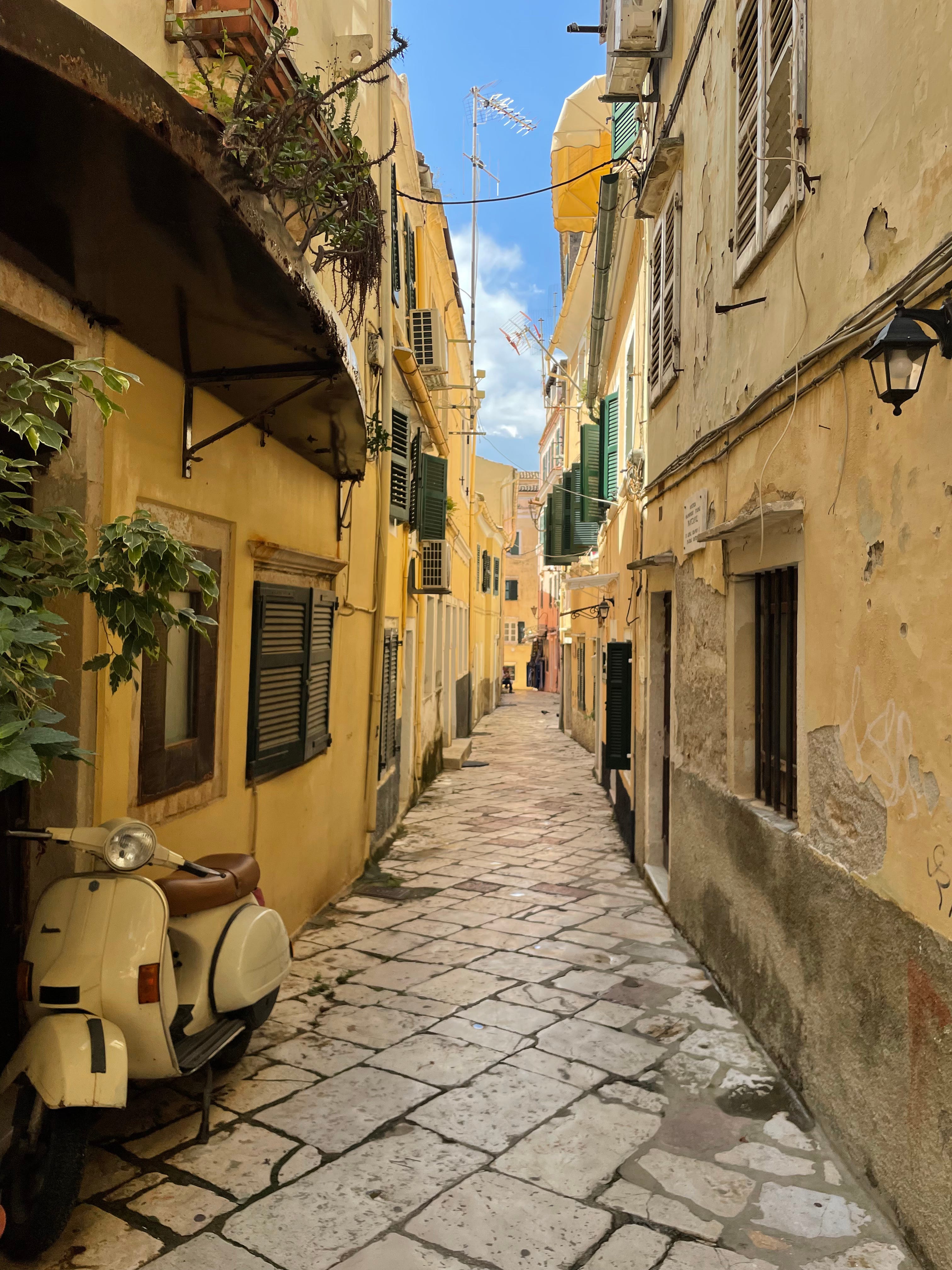
Hello walkers and writers 👋🏻
Where have your wanderings taken you lately? And has the changing of the seasons brought a change to your walks? I have to admit that as the temperature plummeted here in the UK, I’ve felt more inclined to curl up in my new reading nook than to lace up my boots and face the elements. Then it snowed here in Yorkshire and I woke up to find the street outside my new home soft and silent, and the desire to lace up my boots and step outside returned. I’ve always thought of myself as a summer soul, but who knows? Maybe I’m changing, as we humans have a tendency to do.
What about you? Are you heading into hibernation mode or are cold-weather walks your vibe? I’d love to hear from you, so you can always add a comment below.
Now with the musings complete, let’s get on to this edition where I share some ideas for walking a city.
Walking
What if I told you I’ve found a way to explore a bustling historic city, brimming with tourists, and feel as if I’m the only person there? When you visit a place, especially if it’s for the first time, you might find yourself caught up in the crowds heading to the same ‘must-see’ places in the visitor guide. The Acropolis in Athens, the Bridge of Sighs in Venice, or the ancient city walls of Dubrovnik. (Which I can say from experience becomes very crowded with an hour of them opening to the public in the morning.)
But if you plan your walk for the right time, and are happy to meander rather than map-read your way to each museum, square, statue or landmark, you might find a different side to the city.
I started this as a way to escape crowded streets, which make me feel anxious and trigger a feeling of claustrophobia. Instead of pushing on through, I’d look for an escape route – and would often find one in the form of a side street that no one else was walking along.
It’s now become my favourite way of exploring places like Athens – a busy and often crowded city – where you might find yourself trekking up the hill to the Acropolis to join thousands of people waiting to visit the ancient citadel. The main routes up can get busy, but the area beneath the Acropolis, called Plaka, is a maze of tiny streets that can be surprisingly quiet if you time your walk right.
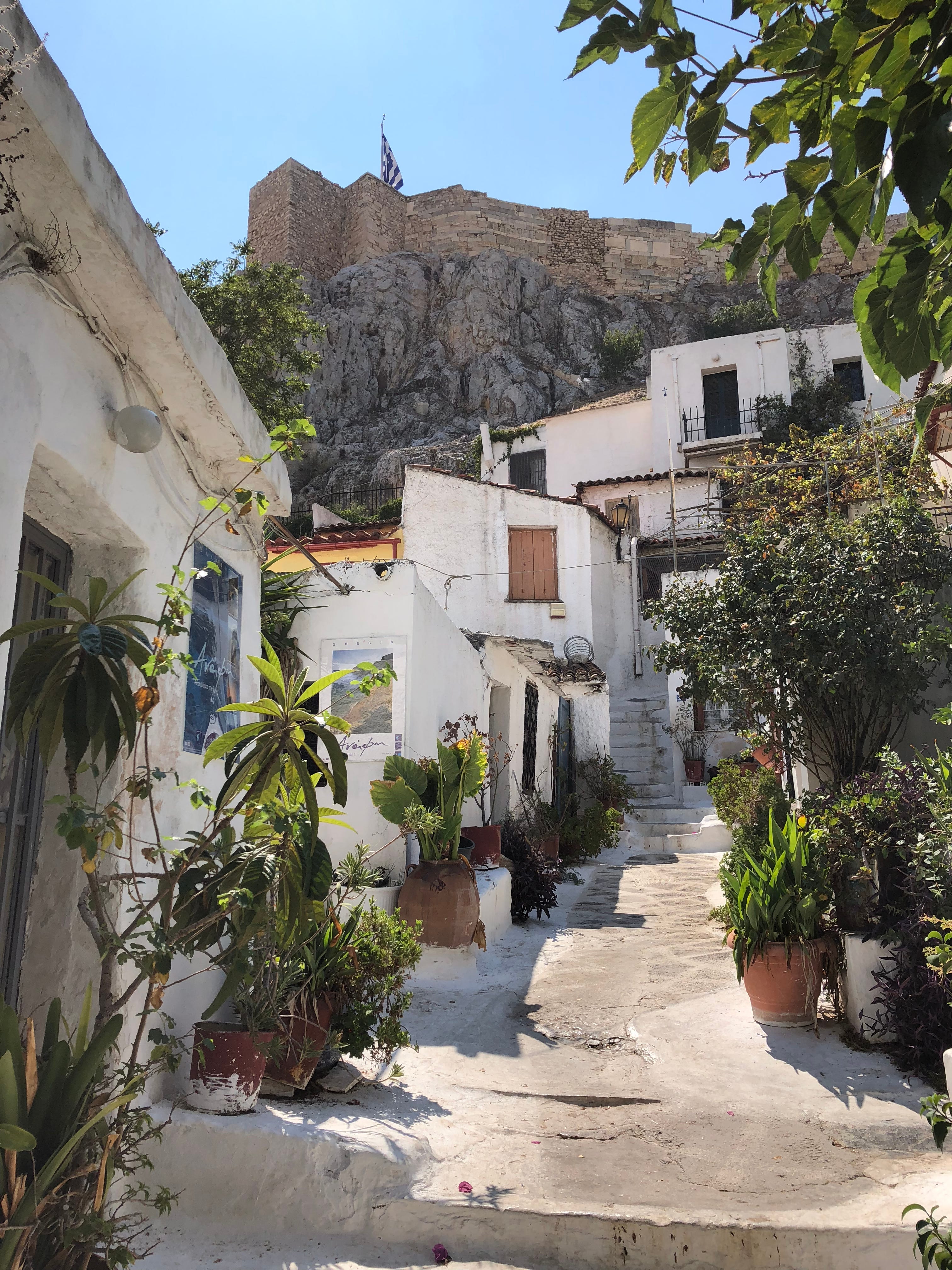
When I visited Dubrovnik I was delighted to discover that hidden beyond its well-trod paths, squares (and those famous stairs), there are smaller side streets where washing hung out to dry reminds you that this isn’t just a UNESCO-listed city. It’s a home where life and laundry is just as important as museums and landmarks.
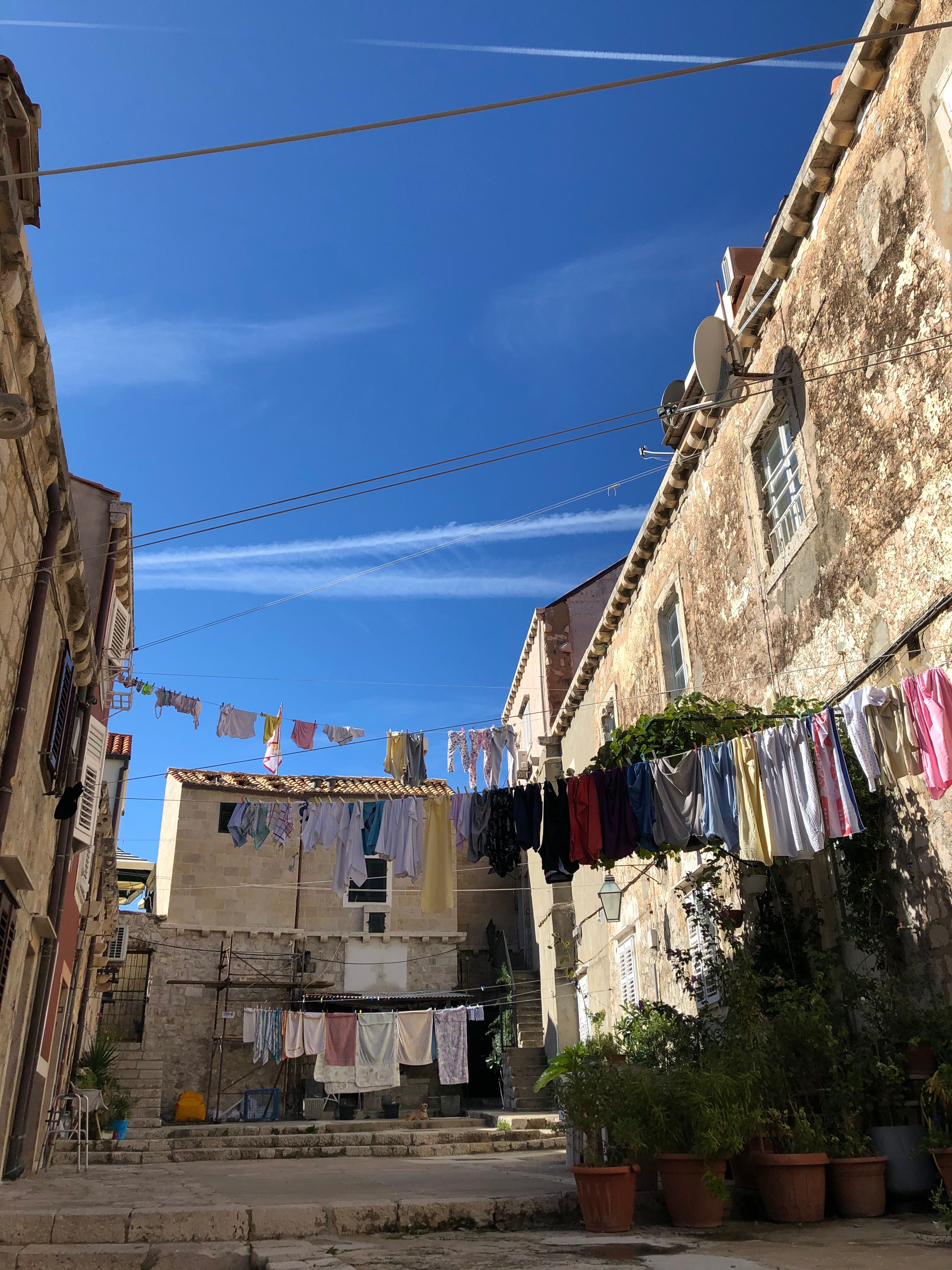
And a city where people have brought nature to the narrow streets with potted plants that dot the stairs, hang from balconies and disguise air conditioning units:
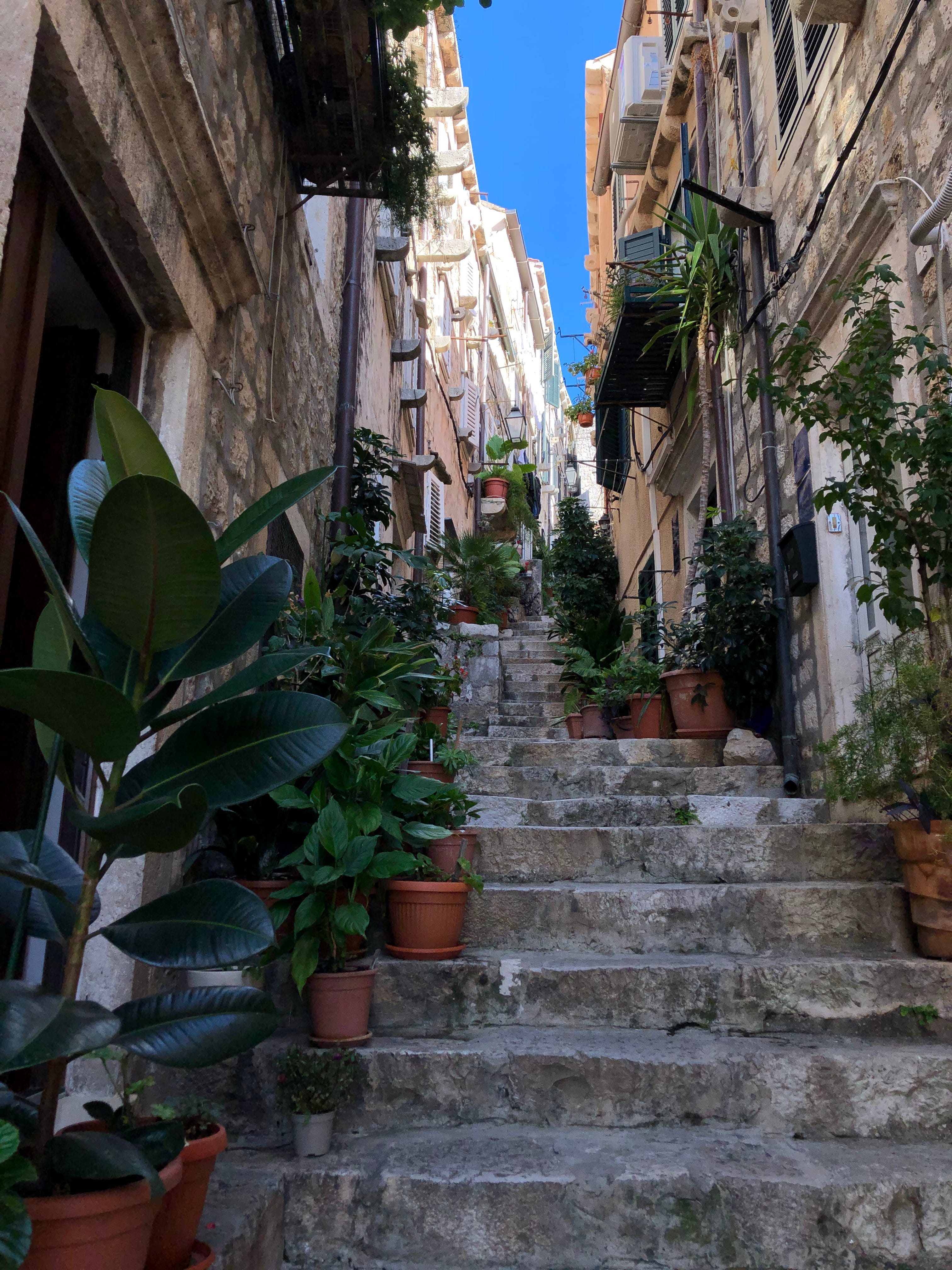
Even Venice offers quiet corners. Sure, the main canals, the Rialto Bridge and the Bridge of Sighs are must-see landmarks. But the city of 118 small islands offers many quiet canals:
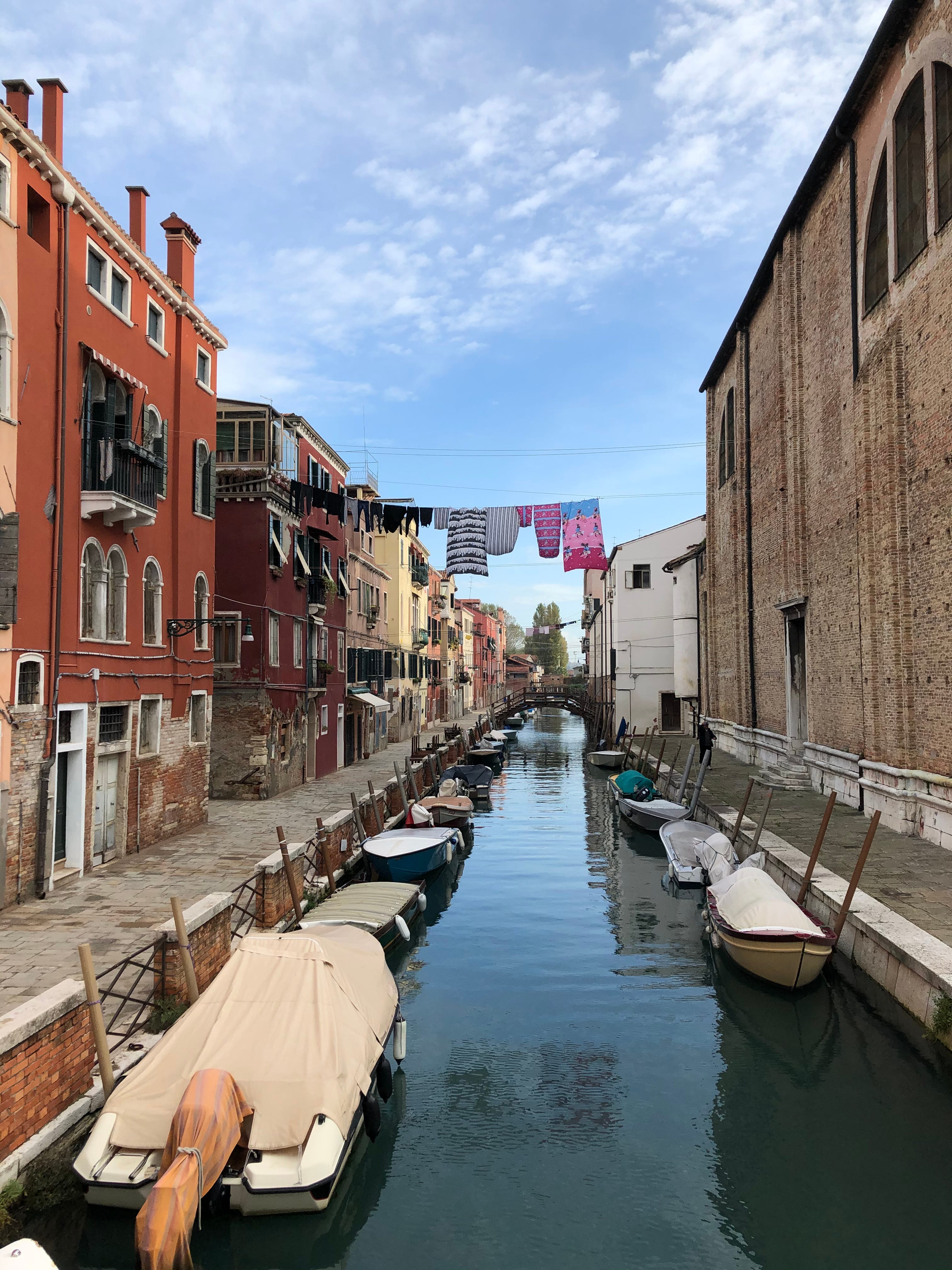
And a morning walk in a quieter neighbourhood…
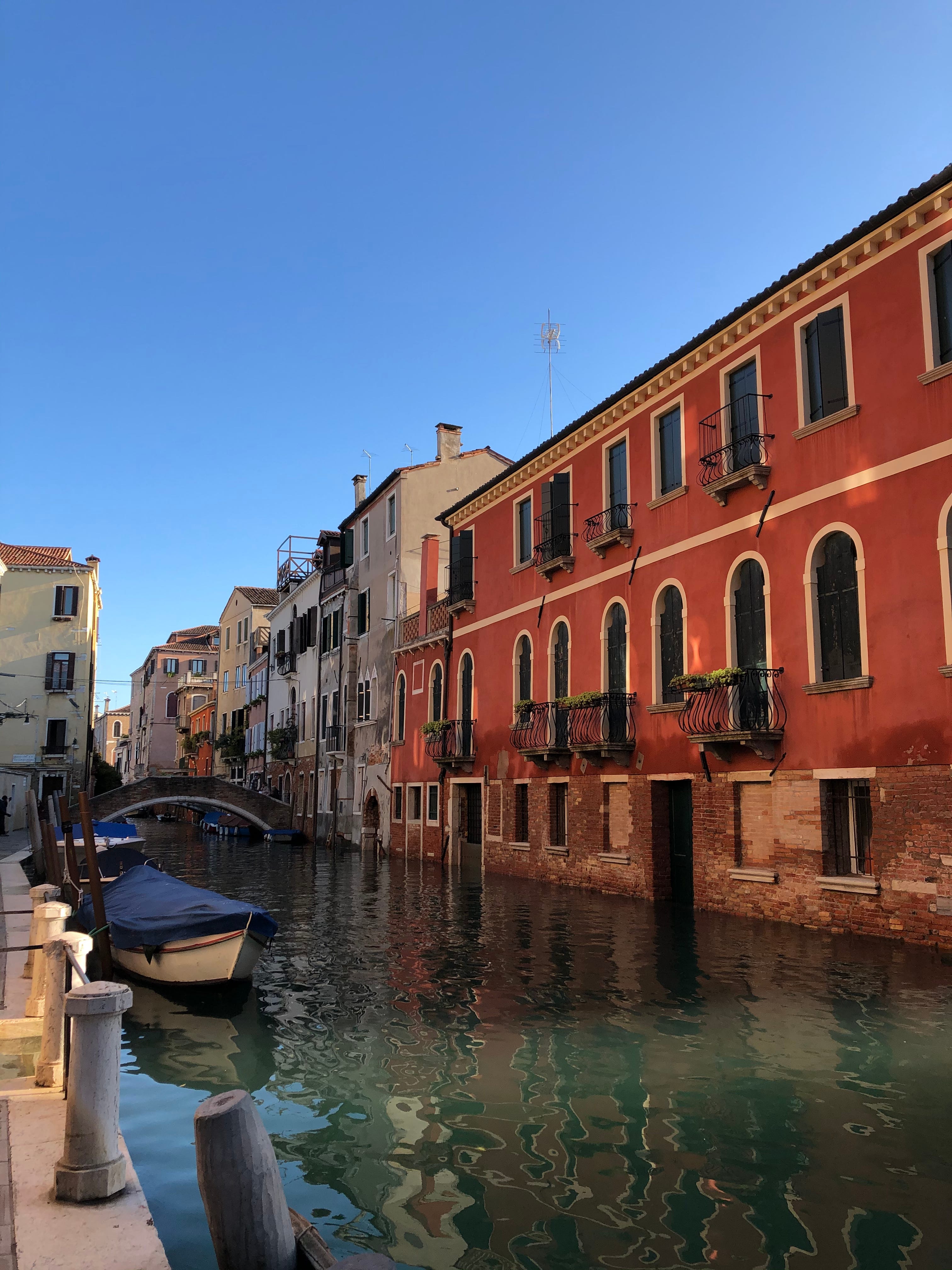
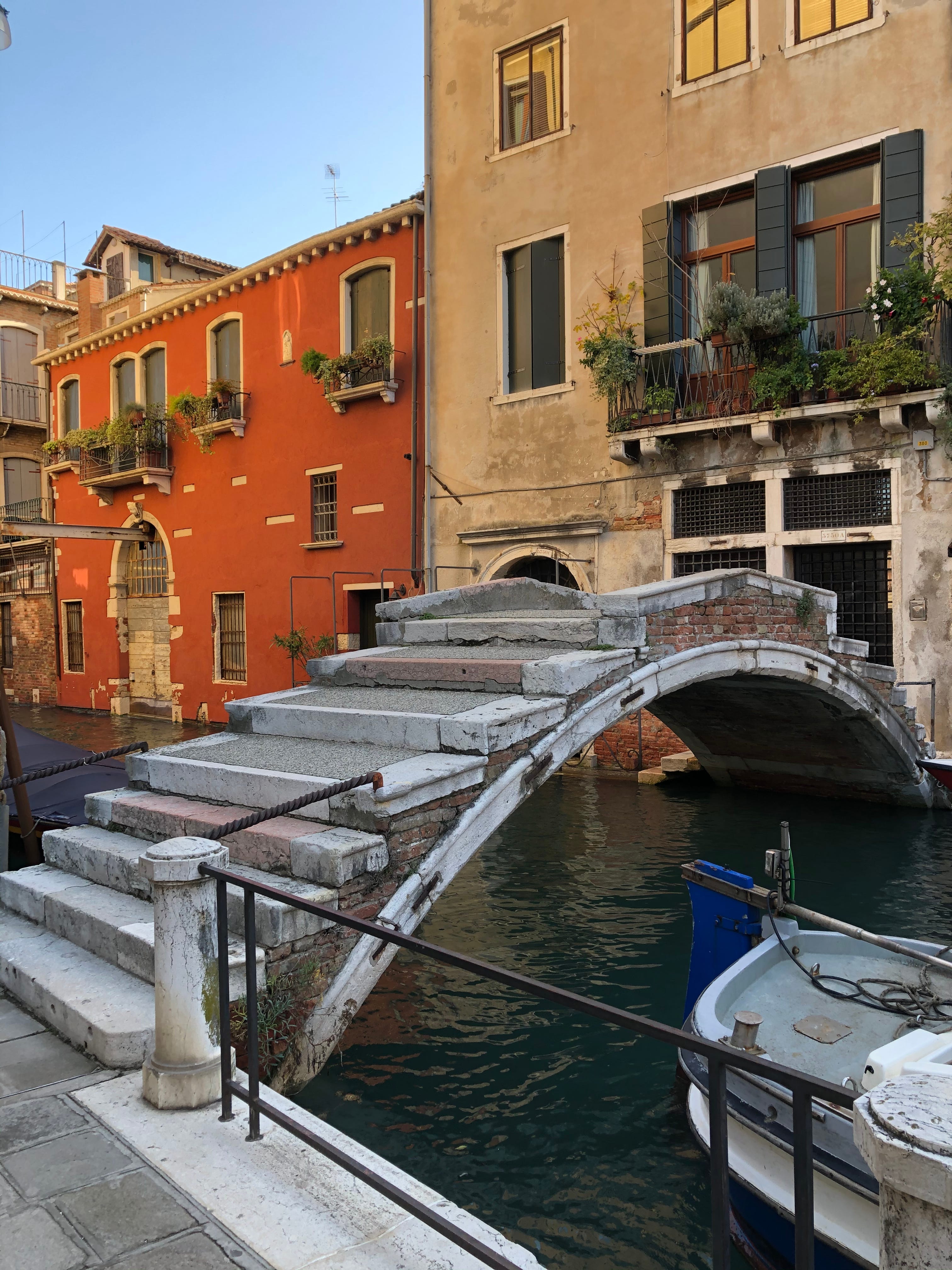
Leads to a famous bridge that’s not visited as much as the others as it’s off the beaten track:
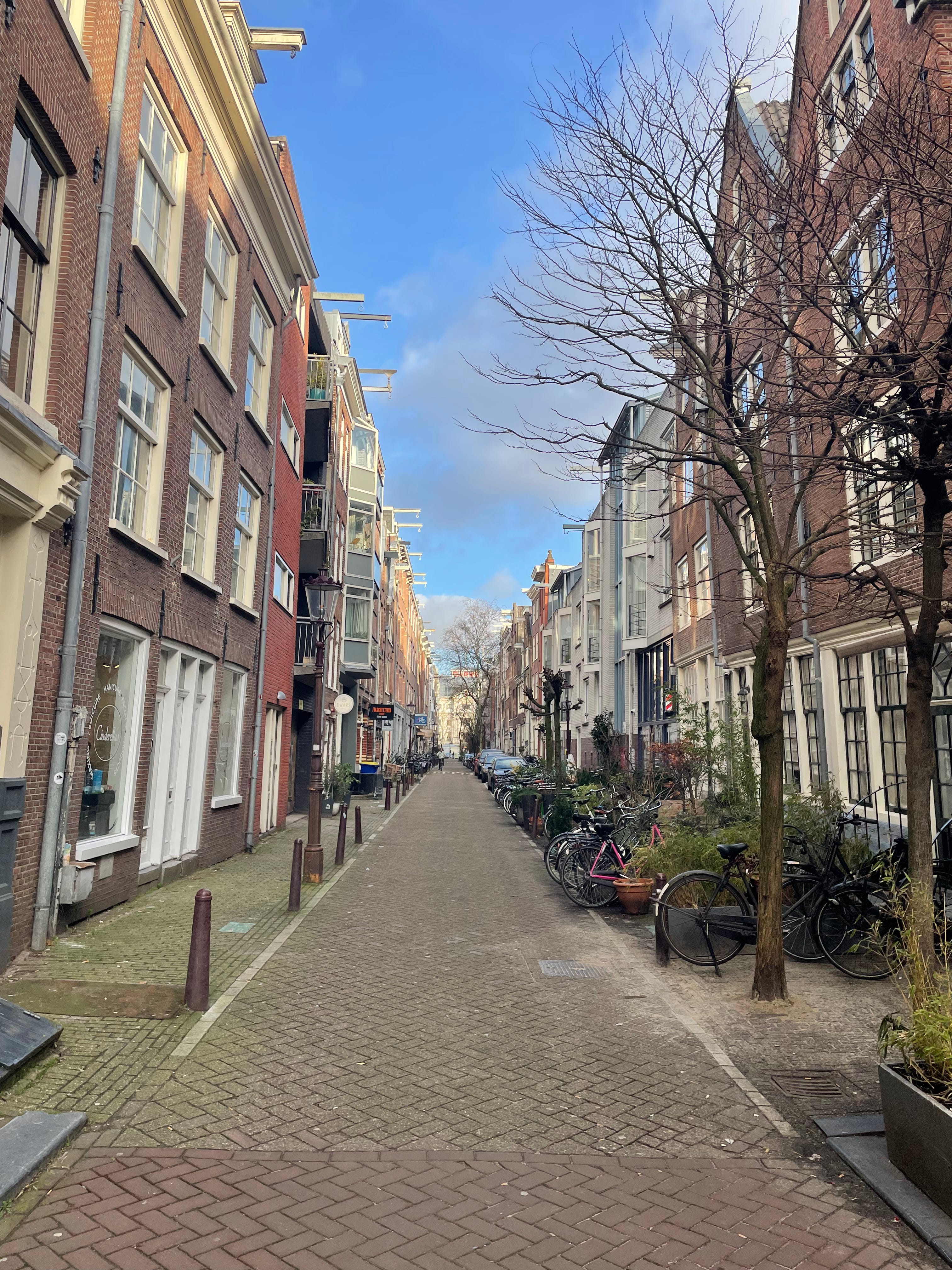
Even Amsterdam with its narrow canal paths shared by walkers and cyclists offers some quieter streets when you wander a little further away from the tourist hotspots. Like this side street, just off Utrechtsestraat (which is also worth a wander to explore its shops, cafes and restaurants):
I’ve tried this in all sorts of towns and cities, like Seville, Málaga and Sitges in Spain. And the smaller towns and villages on Greece’s islands seem built for this approach, with their winding streets that are too narrow for cars. Just be ready to head up and down lots of hills as you explore them!
So for your walk this time, I invite you to explore the hidden paths in a busy city. Watch where the crowd is going, then turn in a different direction. Try the side streets instead of the main roads and paths. Here are some tips to help you explore:
Choose a walkable city that has plenty of pavements (sidewalks) and squares. Heritage or old cities, of the kind you find in Europe, are more likely to have these than sprawling modern cities designed for cars rather than pedestrians.
Walk early in the morning, just as the sun is rising and before the shops and businesses have opened – but try and avoid the commuter rush hour.
If you’re in a country where people take siestas, walk just after lunch when people shutter their windows and head home for a few hours – just be mindful of the afternoon heat and sun.
Explore in the shoulder or low season when there are fewer visitors.
If you’re in a city where a different language is spoken, follow the drifts of conversation in that language rather than the ones in yours or other languages. It might lead you to quieter residential squares and neighbourhoods and perhaps a small insight to how life unfolds there beyond the tourism brochures.
This isn’t about scaring yourself silly down a dead-end alley. You still need to be mindful of your surroundings – and keep an eye on the map so you don’t get (totally) lost. It’s about opening yourself to curiosity, following your nose (and your instincts) and seeing where it leads.
Sometimes you might find yourself down an unremarkable street. And that’s okay, you can always take the next turn at the end of it and see what lies ahead. But maybe you’ll find a cute cafe that’s not in any of the guidebooks but serves the best coffee in the neighbourhood, you might hear beautiful music drifting from a third floor window, find a pop of flowers on a window ledge, or snippets of conversation that might lead to the start of a story.
Writing
When you find a street or square that surprises you in all the best ways, take some time to look around and imagine who might live or work there. Who walked on this path before you? How far back in time was it: a day, a decade, a century, or more? Where were they going, and why? Did anything get in their way? And how did they overcome it?
See where these prompts take you. Perhaps you’ll find the seed of a story within them.
Thanks for reading. As always, I enjoy hearing what you discover when you try these walking themes. And maybe this approach won’t work in all cities. I suspect it won’t but it’d be interesting to try! I’d love to know what you find.
Happy walking and writing until next time.
Sarah
To be among the first to see each new edition of The Writer’s Walk, including the walking and writing prompts, and guest interviews, I can send them to you by email. It’s free to subscribe.
More from The Writer’s Walk
If you enjoyed this edition, check out Walking in zigzags for more inspiration on how to meander around a city.

Brilliant post. I was just discussing this very thing with my brother yesterday.
Good tips for discovering a city. There’s so much enjoyment ti be found in the most unlikely of places.